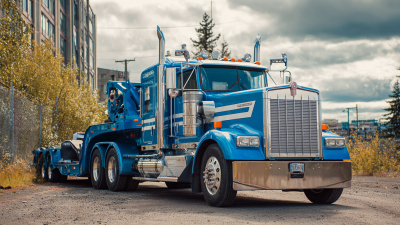
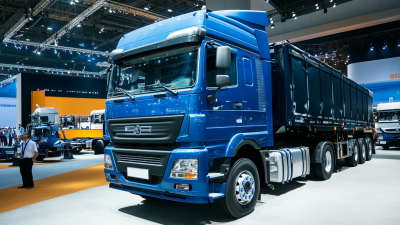
When it comes to heavy haul tow trucks, staying in the know is actually pretty important. I mean, John Miller from Titan Towing Solutions, who’s kind of a big deal in the field, always says, "The right features can really make or break a heavy-haul job." As technology keeps moving forward, so do what we expect from these tow trucks.
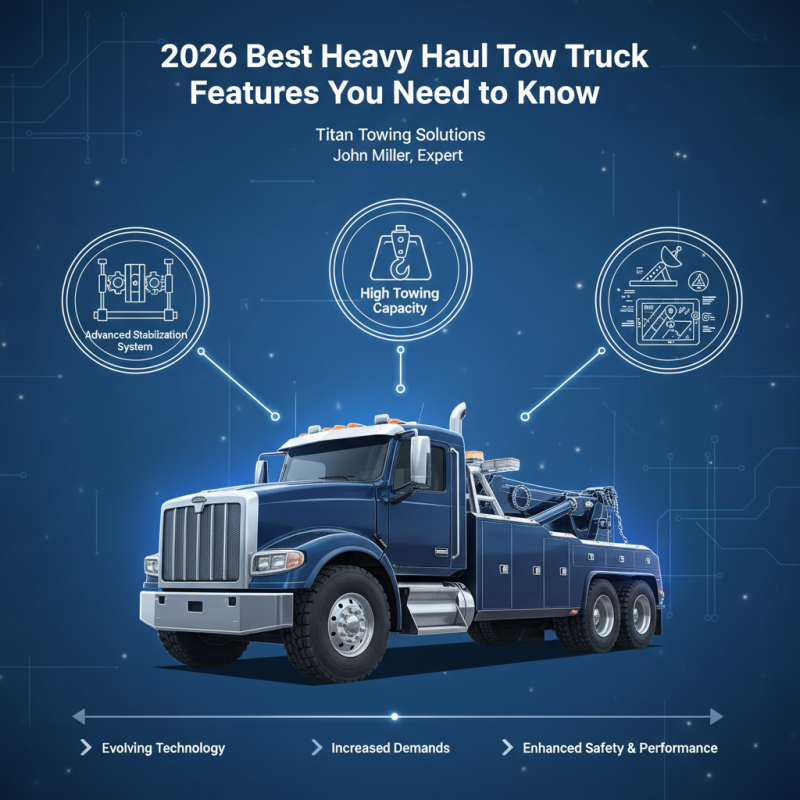
Today’s heavy haul trucks need to be pretty much cutting-edge. They’ve got to handle super heavy loads with accuracy and keep everyone safe. That means features like advanced stabilization systems, really high towing capacities, and smart tech connectivity are pretty much a must. These upgrades help the trucks handle tough situations much easier.
But, let’s not forget—there are definitely some challenges out there. Not every heavy haul truck is up-to-date with all the latest standards. If you don’t adapt, you might find yourself facing inefficiencies or safety hiccups. Operators really need to keep an eye on what their equipment can do, and smartly invest in features that boost safety and performance. In this field, where things are always changing, paying attention to the little details really does matter.
Key Features of Heavy Haul Tow Trucks in 2026
In 2026, the landscape of Heavy Haul Tow Trucks has evolved significantly. These trucks are designed to carry larger and heavier loads than regular tow trucks. Industry data shows that the average capacity of Heavy Tow Trucks has increased to 50 tons, which is a substantial improvement from previous years. This increase is essential for industries requiring the transport of heavy machinery or vehicles.
Key features also include advanced safety systems. Many Heavy Tow Trucks now come equipped with automatic braking and stability controls. These systems are crucial for maintaining safety during heavy hauling operations. According to a recent safety report, about30% of heavy towing accidents can be attributed to equipment failure. Improving tech systems can reduce this risk dramatically.
The inclusion of higher torque engines is another notable trend. New models now offer engines with up to 600 horsepower. This is essential for efficiently hauling hefty loads uphill or across rugged terrains. However, there’s still room for improvement in fuel efficiency. Some heavy tow trucks are criticized for their high fuel consumption. Operators must regularly reflect on these aspects, balancing power with sustainability. Overall, adapting to these advancements is vital for success in the heavy towing industry.
Innovative Technologies Enhancing Heavy Haul Tow Trucks
In the world of heavy haul towing, innovative technologies are redefining operational efficiency and safety. Powerful hydraulic systems allow for smoother lifting and lowering of loads. Enhanced braking systems now provide better control, especially when carrying oversized cargo. These advancements create a more reliable towing experience.
Telematics systems are becoming essential. They monitor vehicle health and performance in real time. This data helps reduce maintenance costs. Drivers can also improve their skills based on feedback from these systems. However, implementing and understanding these advanced technologies can be challenging for some operators. Training is vital but often overlooked.
Additional features like integrated GPS systems enhance route planning. This minimizes delays and fuel consumption. Cameras provide better visibility around the truck, making it safer. Yet, technology can fail. Over-reliance on it might lead to complacency. Balancing technology with hands-on experience remains crucial.
2026 Best Heavy Haul Tow Truck Features You Need to Know
| Feature | Description | Benefits | Innovative Technology |
| Advanced Load Monitoring | Real-time tracking of load weight and distribution | Enhances safety and prevents overloading | Sensors and IoT integration |
| Automatic Steering Control | Assists with steering for easier maneuverability | Reduces driver fatigue and improves handling | AI-driven steering systems |
| Enhanced Stability Control | Maintains vehicle stability under various conditions | Increases safety during transportation of heavy loads | Advanced stability algorithms |
| Telematics and Fleet Management | Remote monitoring of truck performance and location | Improves efficiency and reduces operational costs | GPS and data analytics |
| Eco-Friendly Powertrains | Hybrid or electric options for powertrains | Reduces emissions and fuel costs | Electric and hybrid technology |
Design Considerations for Optimal Performance in Heavy Loads
When designing a heavy haul tow truck, several considerations are crucial for optimal performance. Balance is key. The weight distribution must be even, especially under heavy loads. Overloading one side can cause instability. This can lead to dangerous situations on the road. Engineers often focus on the truck's frame structure. A robust frame can withstand the stress of the Biggest Haul Truck. Using high-strength materials helps in achieving this strength while keeping weight manageable.
Another factor is the technology used in these trucks. Advanced towing systems can enhance safety and efficiency. Sensors that measure load weight in real-time help prevent overloading. Including features like adaptive suspension can improve handling. However, some drivers may still find these systems challenging to use. They might require additional training. A heavy haul truck should also have adequate braking systems. Heavy loads require longer stopping distances. Many trucks fall short in this department. This is an area that demands constant improvement.
Driver comfort is often overlooked in design considerations. An ergonomic cabin can make long hours easier. Drivers need to focus on the road, not discomfort. However, many trucks miss the mark on this aspect. Quiet cabins and adjustable seating can be game changers. They can help reduce fatigue during those grueling hauls. Balancing all these factors can be complex. Enthusiasts and manufacturers must learn from each challenge.
2026 Best Heavy Haul Tow Truck Features
Customization Options for Heavy Haul Tow Trucks
Heavy haul tow trucks are essential for transporting oversized loads. Customization plays a significant role in meeting specific needs. One important feature is the towing capacity. This can vary based on the truck's design and purpose. Opting for more robust materials can enhance strength and durability. However, this may lead to higher weight, which must be carefully managed.
Another customization option is the size and type of the bed. Some operators prefer flatbeds, while others opt for specialized containers. Additionally, integrating an Articulated Haul Truck can improve maneuverability. This flexibility enables the truck to handle complex jobs. Yet, the complexity of the design can introduce maintenance challenges. Owners must weigh the benefits against potential upkeep.
Advanced technology features are also available. GPS and telematics can enhance efficiency and safety. However, incorporating such tech may increase initial costs. It's essential to balance cost with value. Customizations can make a truck truly unique but require thoughtful decisions. Taking time to explore options is crucial for any future investment.
Maintenance Essentials for Heavy Haul Tow Trucks
Heavy haul tow trucks are vital in moving oversized loads. Their maintenance is crucial for safety and efficiency. Regular checks help identify issues before they become serious. It's essential to inspect the hydraulic systems frequently. Leaks can lead to equipment failure.
Tips: Always check the oil levels. Low oil can cause engine damage. Regular fluid changes keep the engine running smoothly. Tire conditions should not be overlooked. Worn tires can compromise safety. Keep an eye on tread depth and air pressure.
The electrical system also requires attention. Faulty wiring can lead to breakdowns. Test the battery regularly to avoid surprises on the road. Consider a maintenance log to track repairs. This log can help you spot recurring problems. Sometimes, it’s easy to overlook small issues, but these can grow into bigger ones. Regular maintenance is not just about fixing but also about prevention.
Future Trends in Heavy Haul Tow Truck Design and Functionality
The design and functionality of heavy haul tow trucks are evolving rapidly. As we approach 2026, trends indicate a strong focus on durability and efficiency. A recent report by the National Institute for Heavy Transport suggests a projected 25% increase in fuel-efficient models. This shift aims to reduce operational costs and environmental impact.
Future heavy haul tow trucks will prioritize advanced technology. Features like AI for route optimization and telematics for real-time monitoring are becoming standard. These tools help drivers manage logistics better. Data shows that the integration of such technology could cut down response times by nearly 30%. However, challenges remain. Not every fleet can afford the upfront investment in these innovations.
Safety is another critical area of development. Enhanced braking systems and improved load stabilization mechanisms are essential. Studies show that accidents involving heavy hauls often result from equipment failure. The industry’s commitment to the safety of operators cannot be overstated. As we look to models like the Biggest Cat Haul Truck, the importance of these developments becomes clearer. The road ahead is full of opportunities and challenges that demand attention now.
Conclusion
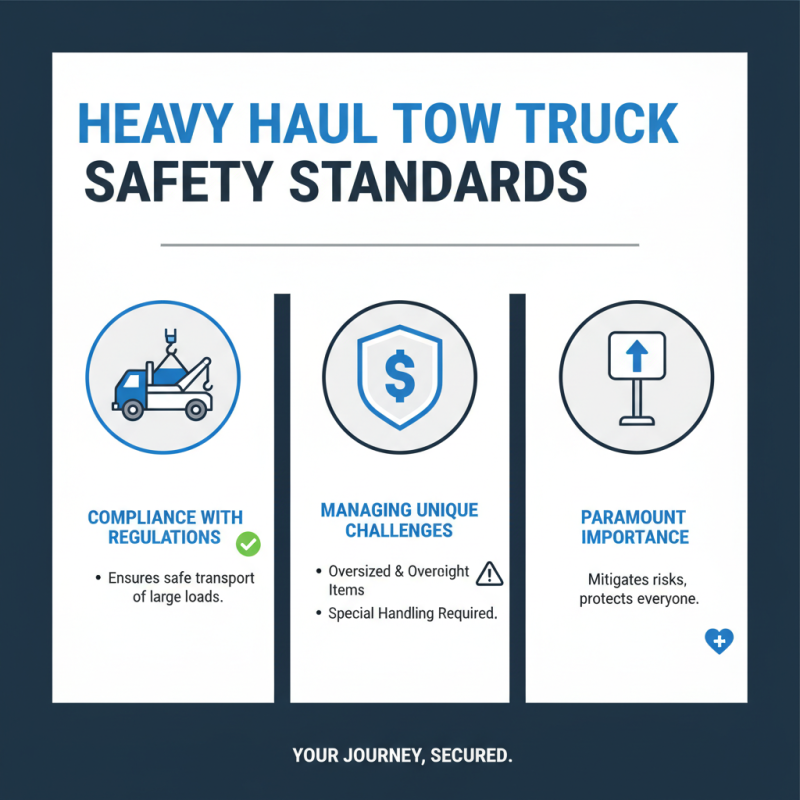
The 2026 landscape of Heavy Haul Tow Trucks is defined by advanced features and innovative technologies that enhance their efficiency and performance. Key characteristics include robust design considerations that ensure optimal functionality for transporting heavy loads, tailored customization options to meet specific operational needs, and strict adherence to safety standards and compliance regulations.
As the industry evolves, maintenance essentials play a crucial role in the longevity and reliability of Heavy Haul Tow Trucks. Future trends indicate a focus on integrating cutting-edge technology that will further improve safety and performance, making these vehicles indispensable in heavy-duty transport scenarios. Overall, understanding these features is vital for operators seeking to maximize the effectiveness of their Heavy Haul Tow Trucks.