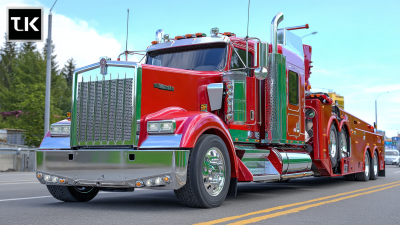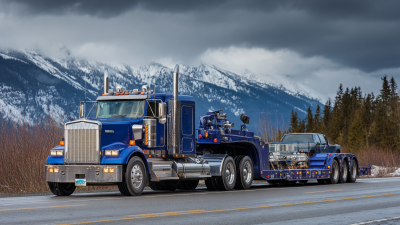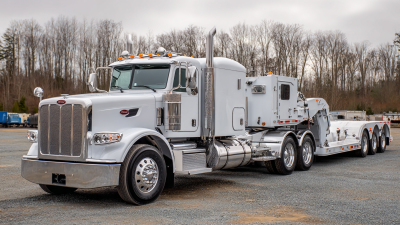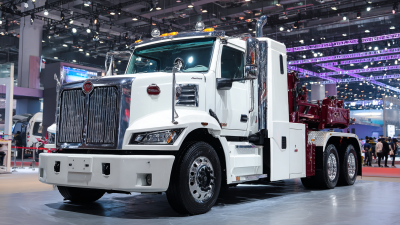
When you're dealing with towing, picking the right equipment is super important. Have you checked out Large Tow Trucks? They’re really the backbone when it comes to safely hauling heavy vehicles. I remember Dave Mills from HeavyHaul Solutions once saying, "Choosing the right tow truck can seriously make a big difference in how smoothly things go and how safe everyone stays." Sounds pretty straightforward, but it’s so true—that’s why making the right choice really matters.
Now, here’s the thing: you gotta think about what you actually need. Are you lifting construction gear, big SUVs, or something else? Each situation calls for a truck with different specs. There are tons of models out there, but not all of them will be a perfect fit for your particular job. Sometimes, thinking back on your past experiences can really help you make smarter choices—trust me, not all trucks are created equal.
And don’t forget about maintenance and dependability. It’s no good having a beast of a truck if it keeps breaking down, right? The trick is finding a good balance between what it costs and what it can do. Like Dave said, "Think long-term. A quality truck saves you headaches down the line." So, it’s all about making a thoughtful decision—you want something that’ll serve you well now and in the future.
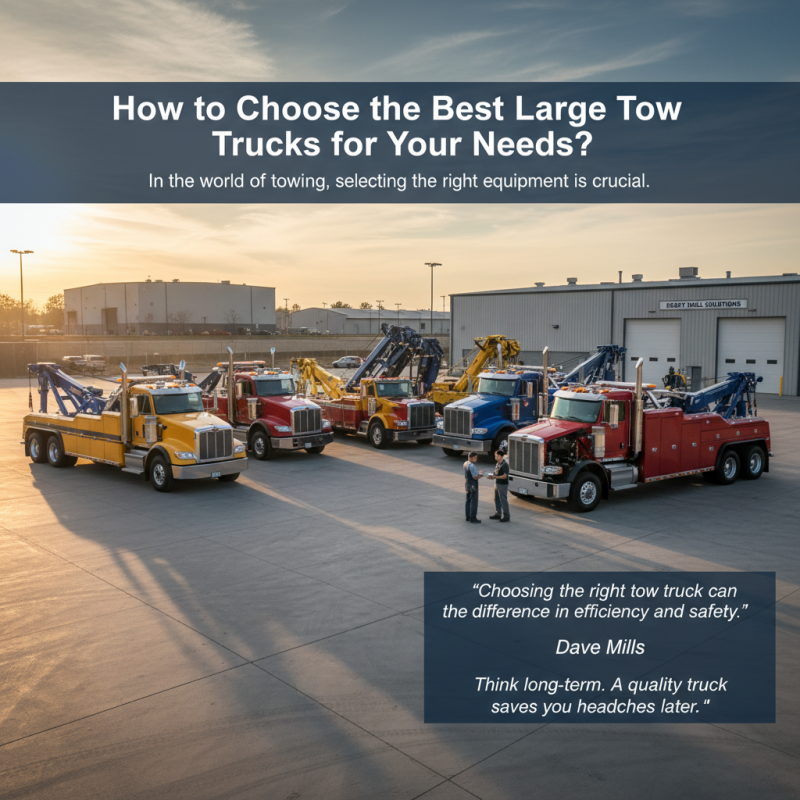
When selecting a large tow truck, it's crucial to understand the different types available. Heavy-duty trucks are designed for tackling the toughest jobs. They can handle large vehicles or heavy loads with ease. The right one can make a significant difference in efficiency. But, not all heavy-duty models are created equal. Factors like towing capacity and engine performance vary widely.
Another option is the medium-duty tow truck. This is ideal for light commercial vehicles and average-sized cars. They often have a balance of power and maneuverability. However, they may struggle with heavier loads. Choosing between medium and heavy-duty requires careful consideration of your typical use cases. Will you frequently encounter oversized vehicles? Or mainly standard-sized ones? Trucks Truck And More Trucks have options for every scenario, but not all may suit your needs perfectly.
Lastly, specialized tow trucks exist for unique situations. For example, flatbed trucks are excellent for transporting vehicles without driving them. However, they may not handle all terrains well. Reflect on what you need the truck for. Analyze your daily operations closely. Doing so can prevent costly mistakes and help you find the best fit. Each truck type has strengths and weaknesses. Knowing these can guide you in making a more informed choice.
When assessing your specific towing needs, think about the types of vehicles you'll be towing. Are they heavy commercial trucks, or lighter vehicles? Understanding the weight of these vehicles is crucial. A Big Tow Truck can handle substantial loads, but selecting the right model is vital. Consider the towing capacity. Too little capacity can lead to dangerous situations.
Beyond weight, think about frequency of use. How often will you rely on the truck? Daily use requires a more robust model. If it’s occasional, a slightly smaller truck might suffice. Remember, not all trucks are fueled the same. Fuel efficiency matters, particularly for frequent use.
Additionally, evaluate the features you need. Does the truck have a reliable winch system? Is the bed equipped for specific types of towing? Reflect on your experiences with past trucks. What worked? What didn't? Finding the perfect fit may take time. A Big Tow Truck will be an investment, but it should align with your specific needs. Adjust your criteria as necessary and don’t rush the decision process.
| Feature | Description | Importance Level (1-5) | Suggested Capacity (lbs) |
|---|---|---|---|
| Towing Capacity | The maximum weight the truck can tow. | 5 | 10,000 - 20,000 |
| Wheelbase | The distance between the front and rear axles, affecting stability. | 4 | |
| Engine Power | Horsepower and torque that impact the towing performance. | 5 | 200 - 400 HP |
| Transmission Type | The type of transmission affects handling and fuel efficiency. | 3 | |
| Braking System | Type of brakes influence stopping power under heavy loads. | 5 | |
| Drive Type | Type of drive (e.g., 2WD, 4WD) affects traction. | 4 | |
| Fuel Type | Gasoline or diesel choices influence running cost. | 3 |
When evaluating large tow trucks, engine power plays a crucial role. Look for trucks equipped with heavy-duty diesel engines. For instance, a robust 6.7-liter engine can deliver upwards of 350 horsepower. This power translates into effective towing performance, especially for heavier loads. Stronger engines often provide better torque, which is essential for moving large vehicles. A truck with a torque rating over 900 lb-ft is generally suitable for towing larger assets.
Towing capacity is another vital factor. Many large tow trucks can tow between 10,000 to 30,000 pounds. It depends on various factors, including the truck configuration and the maximum load rating. A Big Truck Tow with a higher towing capacity offers more versatility over time. However, be wary of overloading, which can lead to mechanical issues. It's better to choose a truck that exceeds your regular towing needs, rather than one that barely meets them.
Inspection reports show that underestimating towing capacity is a common mistake. Many truck owners tend to ignore the basic rules of towing, leading to inefficient operations. They may opt for trucks that are just adequate. This often results in additional wear and tear. Always review the manufacturer's specifications. Both engine power and should align with your intended usage. Make informed choices for long-term benefits and safety.
When selecting a large tow truck, key features play a pivotal role. One crucial aspect is the truck's towing capacity. According to industry reports, many heavy-duty models can tow between 10,000 to 40,000 pounds. This varies based on engine power and axle configuration. A truck capable of handling heavy loads offers versatility. However, it's essential to evaluate the manufacturer's specifications and real-world performance.
Another factor is the truck's build quality. Heavy-duty trucks often feature high-strength steel frames for durability. Yet, not all trucks meet these standards. Regular inspections can reveal potential weaknesses. Additionally, consider the type of winch system in use. Hydraulic winches, while powerful, may require more maintenance compared to electric options. Understanding these differences is critical in ensuring reliability.
The cab's comfort and accessibility are other vital aspects. Drivers spend long hours on the road. Ergonomic designs can reduce fatigue. Reports indicate that well-designed interiors improve overall driver performance. However, the balance between comfort and functionality can be tricky. Investing in the right features may enhance day-to-day operations while ensuring safety. Make a list of must-have elements. This helps prioritize features without getting overwhelmed by options.
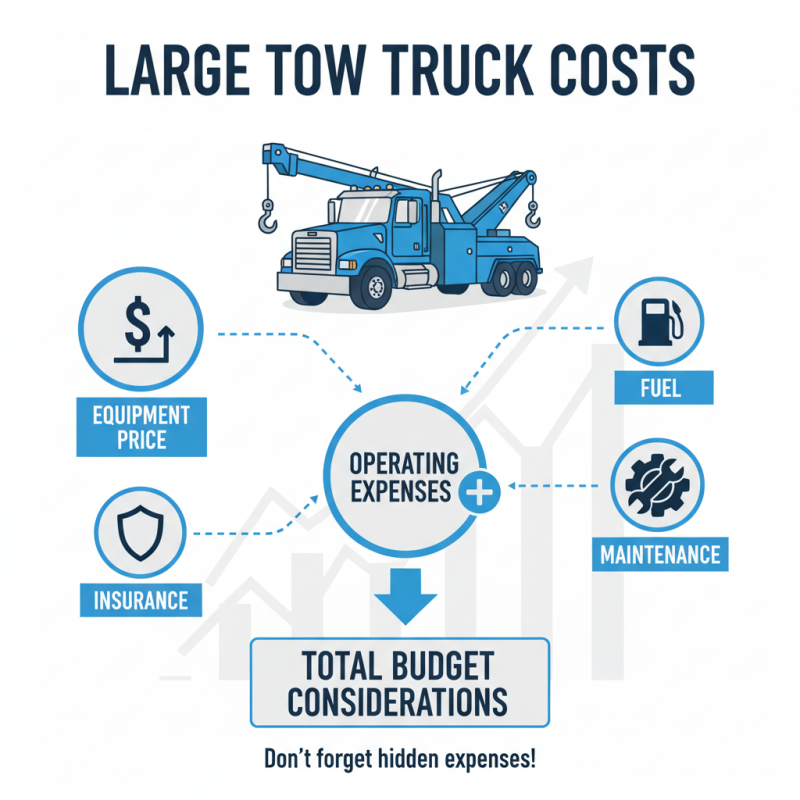
When choosing large tow trucks, costs are a major factor. Towing equipment can vary widely in price. It is essential to consider your budget from the beginning. Don't forget additional costs like insurance, maintenance, and fuel. These hidden expenses can quickly add up.
Finding the right balance between cost and capability is tricky. Sometimes, opting for a more expensive model means better reliability. However, a lower-priced option might still meet your needs. Researching different models and their specifications helps. You may spend less upfront but face higher costs later on.
Be cautious of deals that seem too good to be true. They may indicate poor quality. Inspect every component carefully. Ensure it aligns with your requirements. If a truck doesn't meet your expectations, it's a waste of investment. Consider the long-term value too. Sometimes, it’s better to save for something more durable. Look for options that align with both budget and needs.
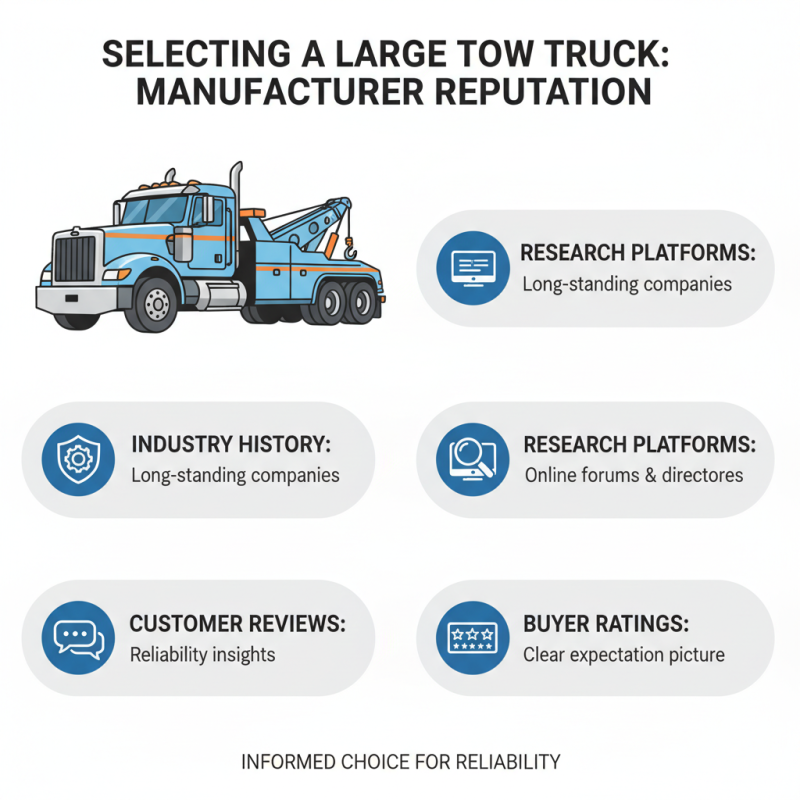
When selecting a large tow truck, researching the manufacturer's reputation is crucial. Look for companies with a long history in the industry. Check online forums and directories for insights. Customer reviews can reveal a lot about reliability. Ratings from previous buyers give a clear picture of what to expect.
Tips: Always read both positive and negative reviews. A single bad review shouldn't scare you away. Look for recurring themes instead. Does a truck consistently receive praise for its performance? Or is there a common complaint about maintenance issues?
Don't overlook social media. Many companies showcase their trucks online. The comments section often highlights customer experiences. Engaging with past buyers can also lead to valuable insights. Asking questions about service and performance can guide your decision. Remember, a company's image isn't perfect; every brand has strengths and weaknesses.
When selecting a large tow truck, understanding maintenance and operating costs is crucial. Tow trucks are complex machines with various components. Each part, from the engine to the hydraulic system, can have different durability and lifespan. Routine inspections can prevent major failures. Neglecting smaller issues might lead to costly repairs later.
Operating costs include fuel, insurance, and labor. Fuel efficiency varies by model and can greatly impact overall expenses. High-capacity tow trucks often consume more fuel. Additionally, parts for tow trucks can be expensive. Quality replacement parts are necessary for safety and functionality. Choosing cheaper alternatives might save money initially, but could lead to greater costs down the line.
Consider the frequency of use. A truck used daily will incur higher maintenance costs. Regular wear and tear on Tow Truck Parts must be factored in. Over time, some parts will need replacing more frequently than others. Keeping track of these needs is essential for budgeting. Also, reflect on your service area—if you service a wide area, reliability becomes even more crucial.
: The article aims to provide informative insights on a specific topic. It focuses on useful details and tips.
Yes, the article includes practical advice that can help in daily situations.
The article reflects trends and data available up until October 2023, ensuring relevance.
Yes, the article discusses some limitations and challenges related to the topic. Reflecting on these is crucial.
The examples in the article are quite specific and grounded in real-world scenarios for better understanding.
The writing is relatively straightforward. Some sentences may feel informal, but they convey clear messages.
The article points out frequent mistakes people make. Learning from these can lead to better outcomes.
Yes, readers are encouraged to reflect on their own experiences related to the topic. This deepens understanding.
The article strives for balance, presenting different perspectives. However, some bias may naturally occur.
You can apply insights from the article to improve practical skills and decision-making in everyday life.
Choosing the best large tow trucks requires a comprehensive understanding of various factors that cater to your specific needs. It is crucial to start by recognizing the different types of large tow trucks available and assessing your towing requirements. Factors like engine power, towing capacity, and key features should guide your decision. Additionally, budget considerations including costs of the trucks, maintenance, and operating expenses play a vital role in the selection process.
Researching manufacturer reputation and examining customer reviews can further inform your choice, ensuring reliability and performance are not compromised. By carefully evaluating these aspects, you can make an informed decision that meets your needs for large tow trucks, ultimately enhancing your towing capabilities while staying within budget.